Blog
Before you sell: what to fix and what to leave
Buyers notice the small things first. A dripping tap costs little to fix, but it makes a buyer wonder what else is broken.
Published · 2 min read · Author Janar Kuusk
Fix the small faults
These jobs are cheap and do the most for a sale:
- Dripping taps and loose switches.
- Doors and windows that stick.
- Cracked grout and sealant in the bathroom.
- A loose skirting board, a broken lampshade, a scratched door.
- A blocked gutter or a loose piece of flashing.
Every small fault left unfixed gives the buyer a reason to haggle. Together they can cost you more than the repairs would.
Clean and clear
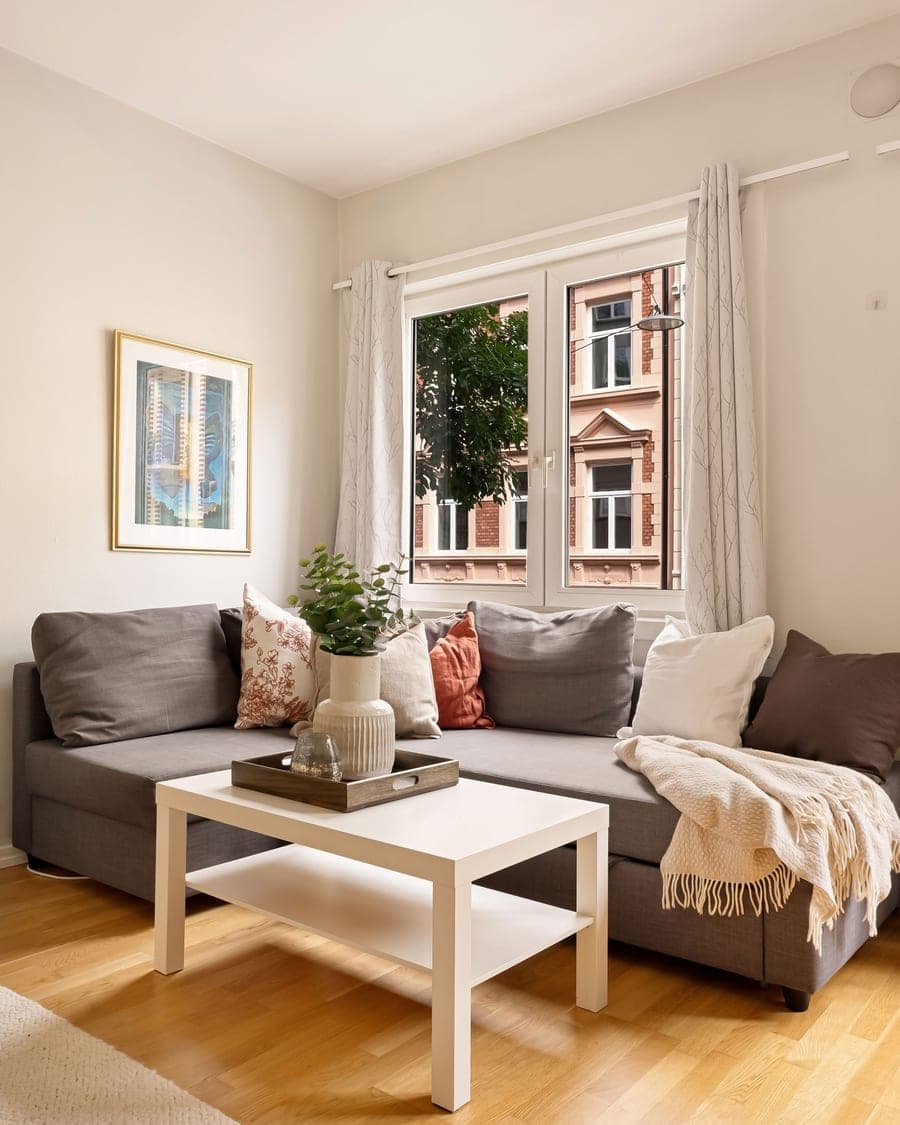
Take out everything you don't use day to day. An emptier room looks bigger, and you see it straight away in the photos. Wash the windows, replace dead bulbs and open the curtains, because buyers remember a bright home.
Don't start a big renovation
A new kitchen or bathroom just before a sale rarely pays for itself in full. Buyers often want to do the big jobs themselves, to their own taste. It is better to be honest about the condition and reflect it in the price.
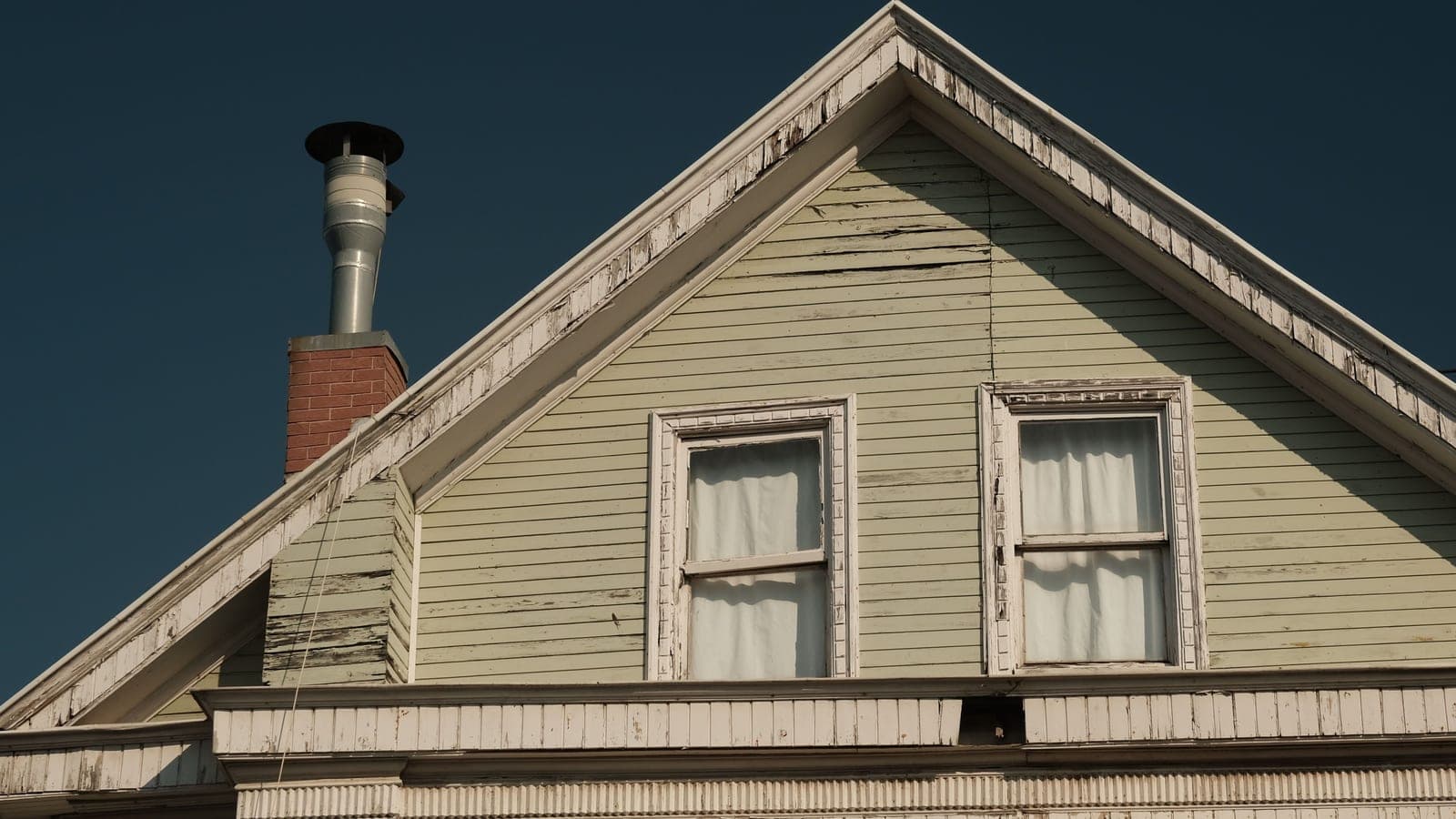
The exception is anything that puts off a buyer or a bank, such as a leaking roof or an extension that was never registered. Fix those before the sale, or at least know what fixing them will cost.
Don't hide defects
The seller is liable for hidden defects even after the deal. If you know the cellar gets damp in spring, say so and put it in writing. Then it is part of the price and won't come back later as a dispute.
Get the documents ready
Check in the building register that the details match reality and that the occupancy permit and energy certificate exist. For a flat, ask the housing association about its loans and planned works. Missing paperwork slows a deal down and can scare a buyer off.
If you want to know what is worth doing in your home before a sale, ask for a free valuation. I'll look the place over and tell you what pays off and what doesn't.