Blog
Ten things I check before I put a price on a home
Before I name a price, I walk through the home the way a builder would. Size and location set the direction, but condition decides whether a buyer pays the price or starts to haggle.
Published · 2 min read · Author Janar Kuusk
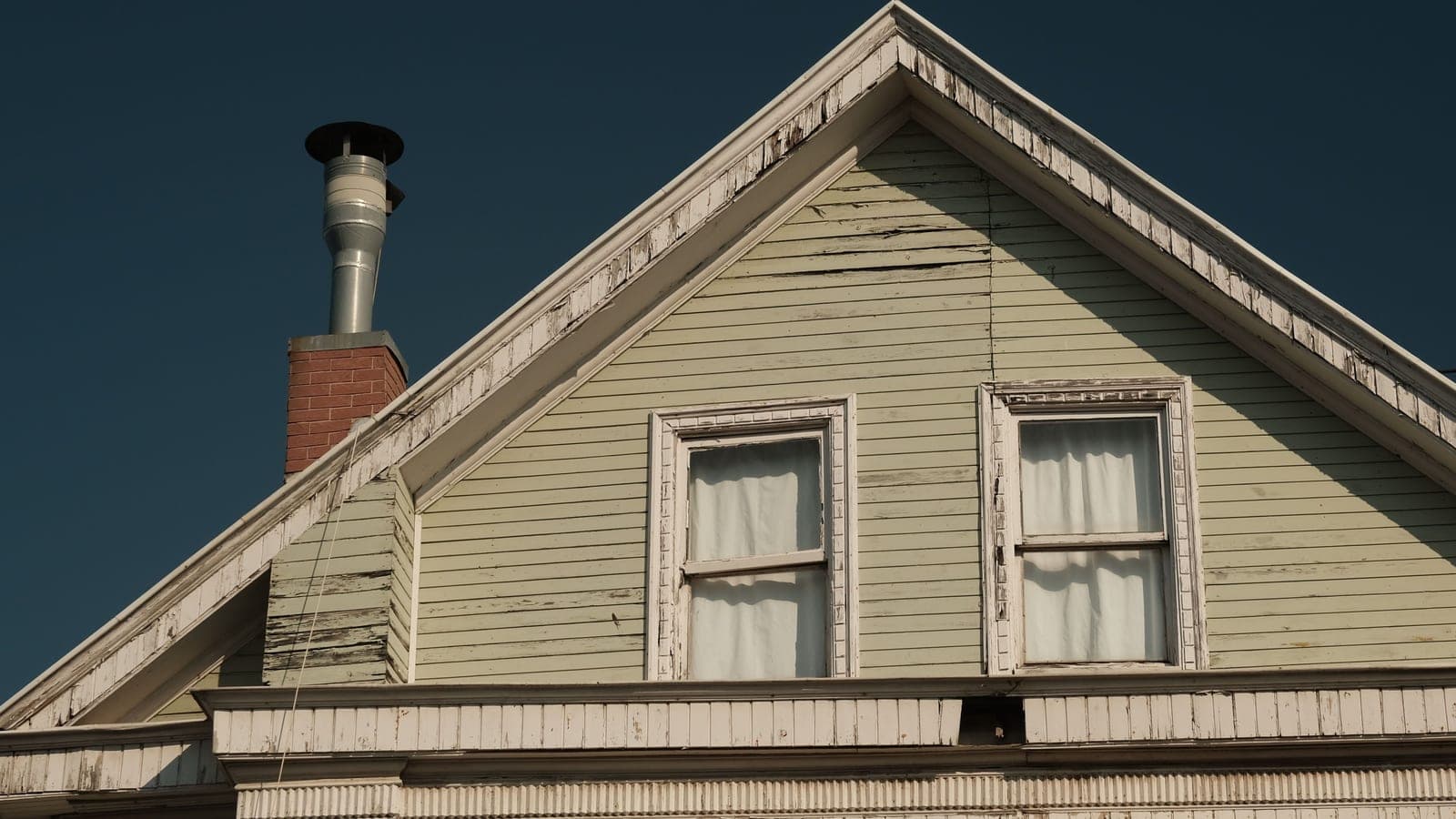
A buyer may not know what to look for, but their friend who builds houses does. If I find a problem first, we can reflect it in the price or fix it, and it won't surface in the middle of negotiations.
What I check
Foundations and plinth
Cracks, damp marks and where rainwater goes around the house. If water collects along the plinth, the damp gets into the wall sooner or later.
Roof
Roofing, flashing, gutters and the loft. The loft is where you see best whether the roof leaks and whether the insulation is in place. A new roof is one of the biggest costs a buyer worries about.
Facade
Cracks in the render, the state of timber cladding and paint. The facade is the first thing a buyer sees, and their impression of the home starts there.
Windows and doors
Age, seals, installation and fog between the panes. When a double-glazed unit fogs up inside, it has to be replaced.
Heating
What system it is, how old and how much it costs to run. I always ask for last winter's heating bills, because they say more than the listing does.
Ventilation
Whether there is any and whether it works. Mould in window corners and wet rooms often means the air isn't moving.
Wiring
The fuse board, the age of the wiring and the earthing. Older houses sometimes still have aluminium wiring, and replacing it is a bigger job.
Water and drains
Pipe material and age, and whether the house is on the mains or has its own well and septic tank.
Wet rooms
Waterproofing, floor falls and grout. Damp marks on the wall of the next room are a sign that something leaks.
Plot and documents
Boundaries, easements, building register details and the occupancy permit. For a flat, also the housing association's loans and planned works.
What this gives you
A house with defects isn't a bad buy. The bad case is when a defect comes out at the notary or after the deal. When the defects are known and priced in, the buyer feels safer and the seller can relax.
If you want to know what I'd see in your home, ask for a free valuation. I explain how the price comes together in How a home's price is set.