Blog
How a home's price is set
A listing price is what the seller hopes for. A sale price is what the home actually sold for. My valuation is based on the second.
Published · 2 min read · Author Janar Kuusk
Why listings mislead
On the property portals you see the prices sellers want. Some of those homes sit there for months and finally sell for less. If you take your neighbour's asking price as your starting point, you often start too high.
Starting too high is an expensive mistake. A listing gets most of its attention in the first weeks, and if the price didn't win buyers over then, you will have to come down later. My colleague Kristiina Uusmees describes this well on the Arco Vara blog (in Estonian).
Where sales data comes from
The Estonian Land and Spatial Development Board publishes property sales statistics by area. It shows how many sales there were and at what price per square metre. I add Arco Vara's market data and my colleagues' experience with similar homes.
What I compare
- Location: the same district and street, not just Tartu.
- Building: year of construction, materials and whether it has been renovated.
- Condition: what has been done and what is still to come.
- Floor, views, balcony, parking and storage.
- Energy certificate and running costs.
Condition changes the price
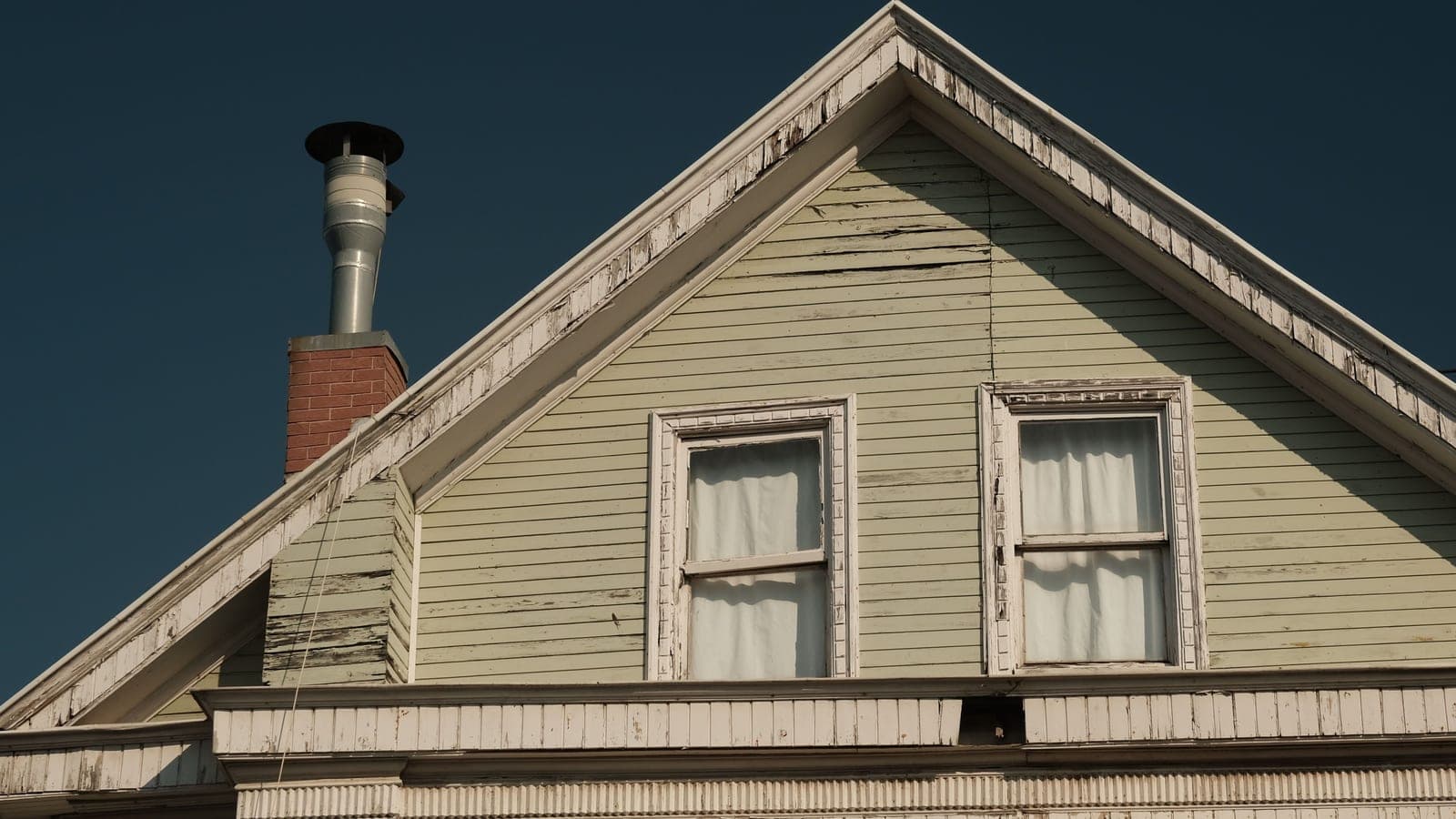
This is where a builder's experience helps. If the roof needs replacing or the heating is old, the buyer will take it off the price. If they don't know how big the job is, they tend to take off more than the work really costs. When I know what needs doing and what it costs, I can defend the price for the seller. I wrote separately about exactly what I look at.
What you get from a valuation
A price range rather than a single number, and an explanation of where it comes from. If you plan to sell, I'll also tell you what asking price to start with and why. The valuation is free and doesn't commit you to anything.